
Topic
Information literacy in the age of search engines
Search engines answer in seconds, so judging sources is now the hard part. What information literacy means, where it came from, and what classroom trials find.
Search engines answer in seconds, so judging sources is now the hard part. What information literacy means, where it came from, and what classroom trials find.
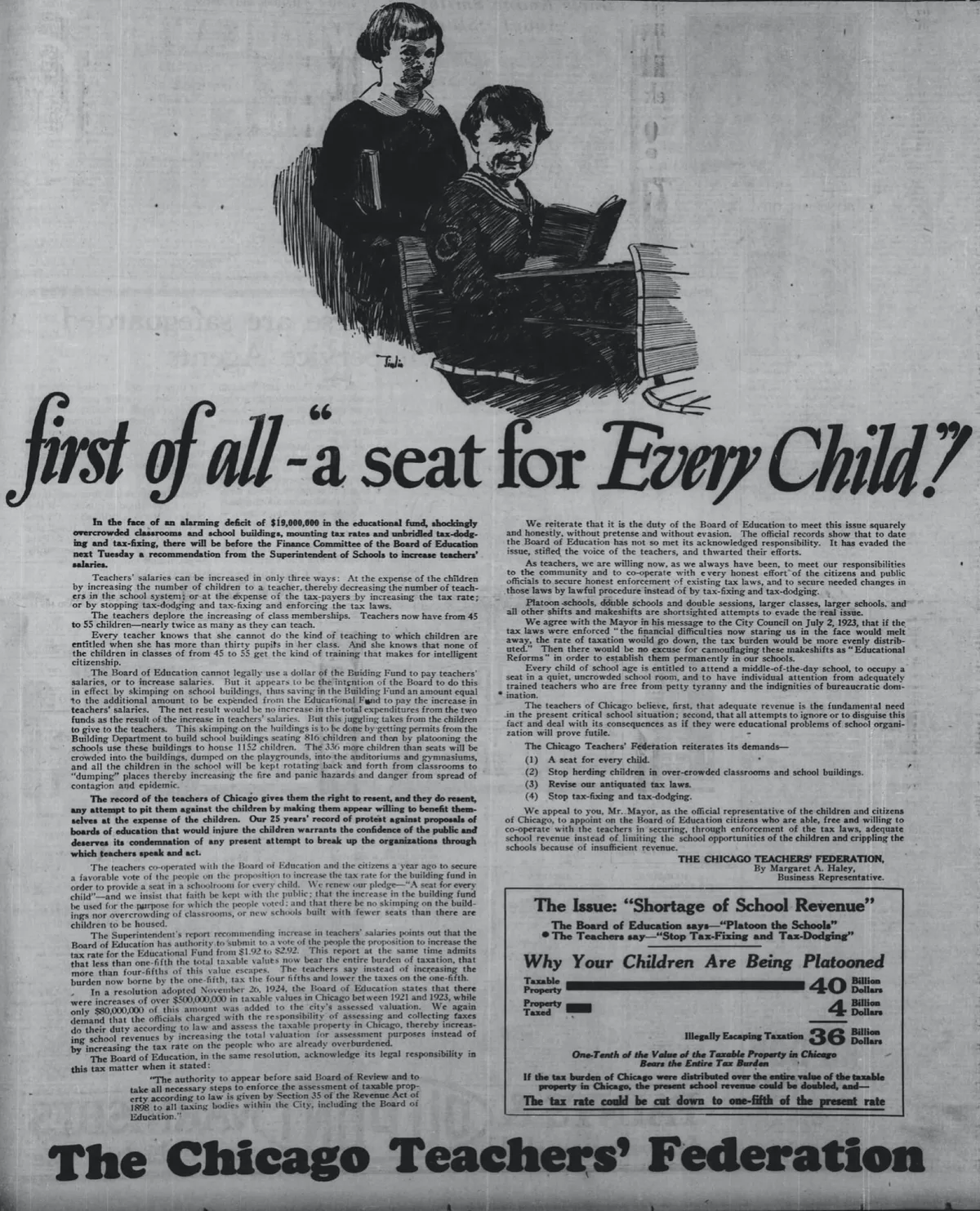
Federal surveys found 45 percent of public schools with open teaching posts in 2022; the evidence blames low pay, weak support, and burnout, and points to two kinds of fixes.

Clear writing has tools, dates, and laws: Flesch-Kincaid in 1975, the Plain Writing Act in 2010, and an ISO standard in 2023. Here is what the evidence shows.

Citation-mapping tools trace a paper backward to its foundations and forward to its offspring. Here is what they can and cannot tell you.
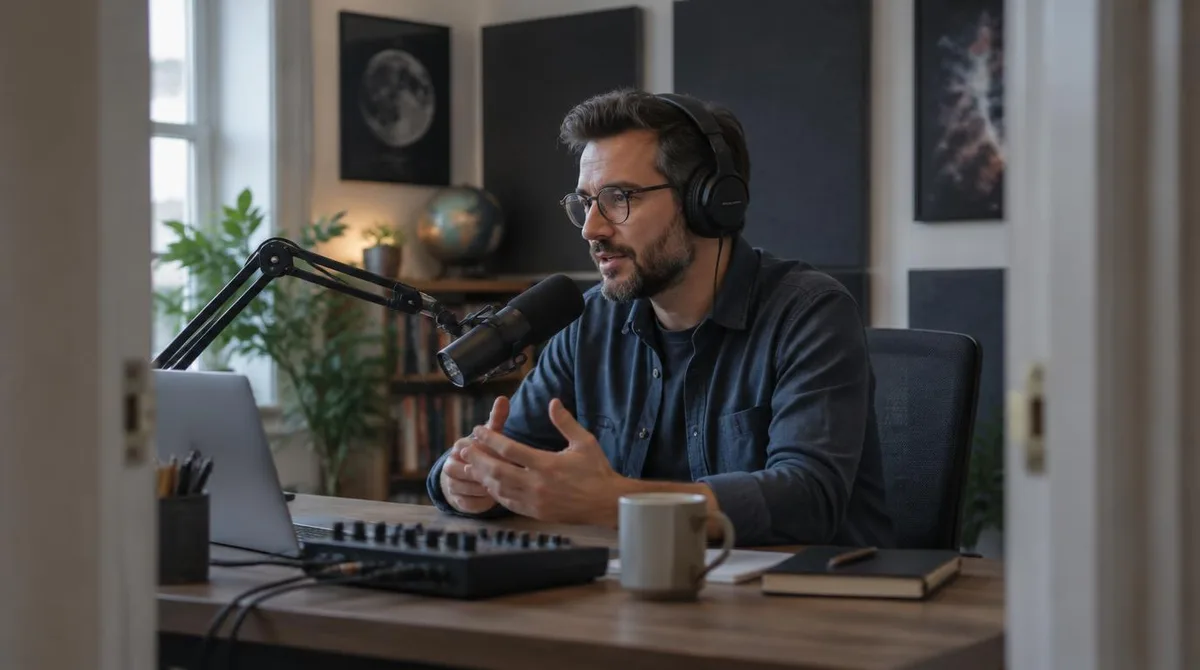
Scientists host most science podcasts, listening hit record shares of Americans in 2024, and the first big census of the genre traced its climb from 2004 to 2018.

Schools run on three streams: local property taxes, state aid, and a small federal share. The mix explains most gaps between districts, and the spending record is humbling.

Adult literacy programs deliver real but small reading gains. A 2011 trial of 198 adults, UNESCO’s 2025 count, and PIAAC surveys show what the evidence supports.

The literacy rate in the US is a skill ladder, not a pass-fail count. What the 2023 federal numbers show, and why method changes blur the trend.

Incremental change fills in the gaps; disruption starts cheap and grows. Schumpeter’s split and Christensen’s 1995 theory, with the case that broke its own rules.

A clear argument, an honest methods section and a limitations paragraph you are proud of will do more for a paper than any clever phrase.