
Topic
Information literacy in the age of search engines
Search engines answer in seconds, so judging sources is now the hard part. What information literacy means, where it came from, and what classroom trials find.
Search engines answer in seconds, so judging sources is now the hard part. What information literacy means, where it came from, and what classroom trials find.
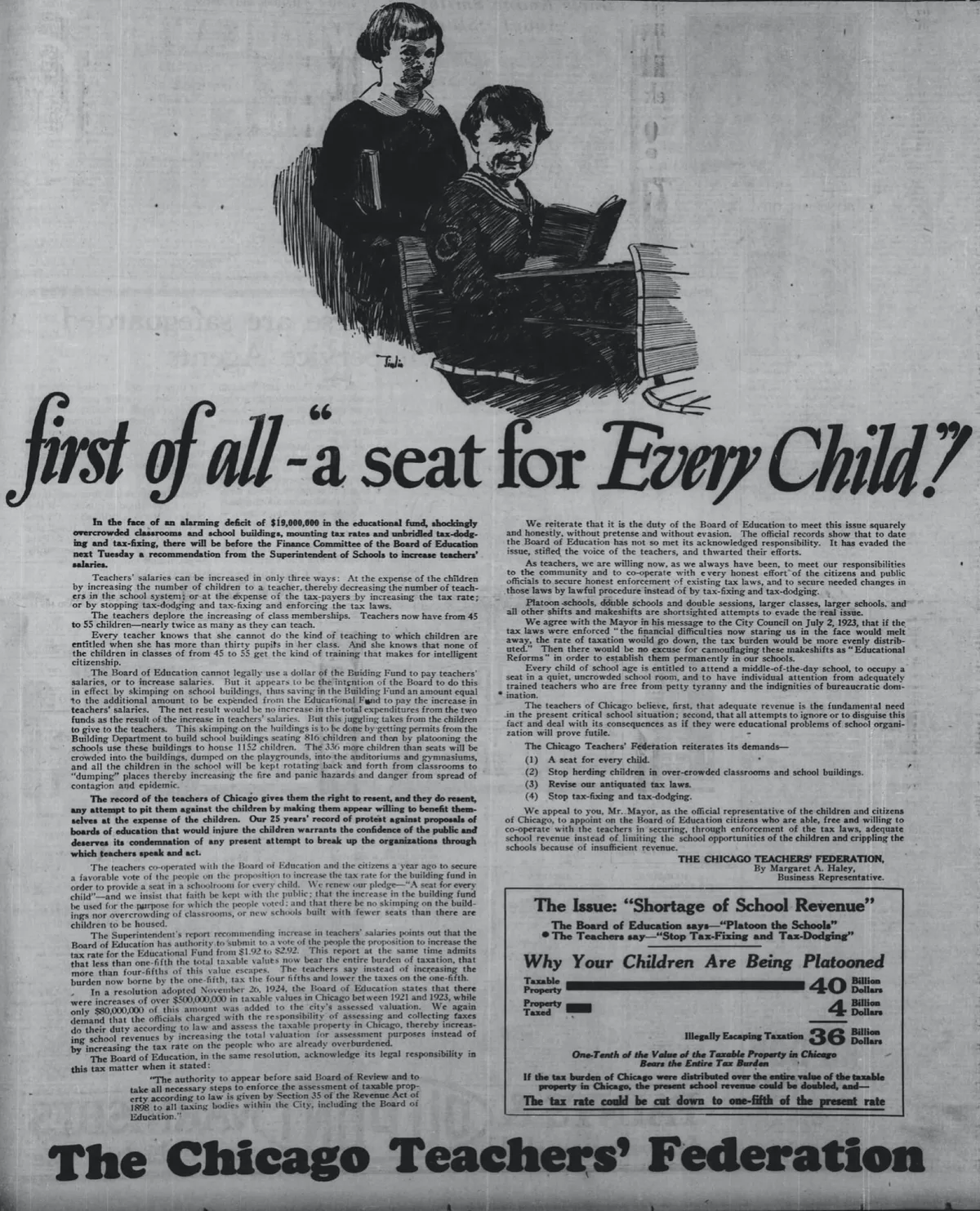
Federal surveys found 45 percent of public schools with open teaching posts in 2022; the evidence blames low pay, weak support, and burnout, and points to two kinds of fixes.

Reading aloud is the core of clinic literacy programs that hand families books. A 2023 review and a 2026 randomized trial document more reading days at home and real language gains.

Citation-mapping tools trace a paper backward to its foundations and forward to its offspring. Here is what they can and cannot tell you.

Schools run on three streams: local property taxes, state aid, and a small federal share. The mix explains most gaps between districts, and the spending record is humbling.

A clear argument, an honest methods section and a limitations paragraph you are proud of will do more for a paper than any clever phrase.
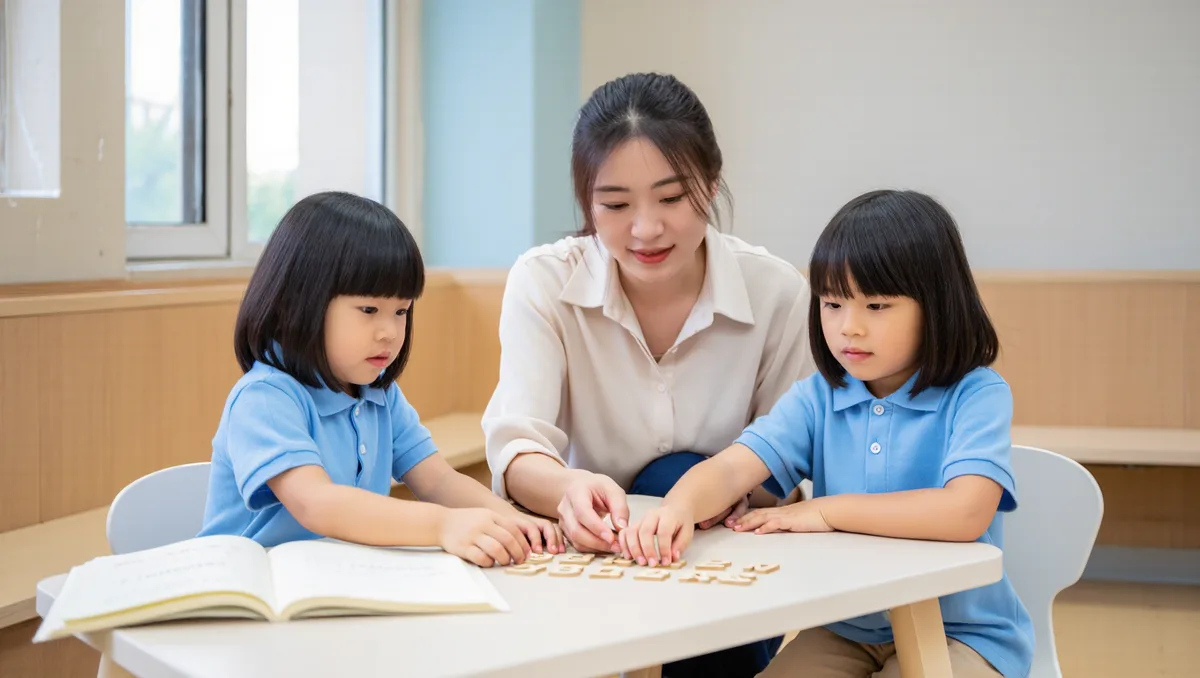
Decades of research point to one skill at the center of learning to read — and it explains why classrooms keep changing.

Youth science news is its own journalism. One newsroom has rewritten research for readers as young as nine since 2003, tuning vocabulary and adding teacher aids without weakening the reporting.

Why landmark results sometimes collapse when other scientists repeat them, and what open science is doing about it.

The word shows up in every school brochure. Here is what it actually means, and how to tell a real change from a renamed one.